What Is Corneal Cross Linking?
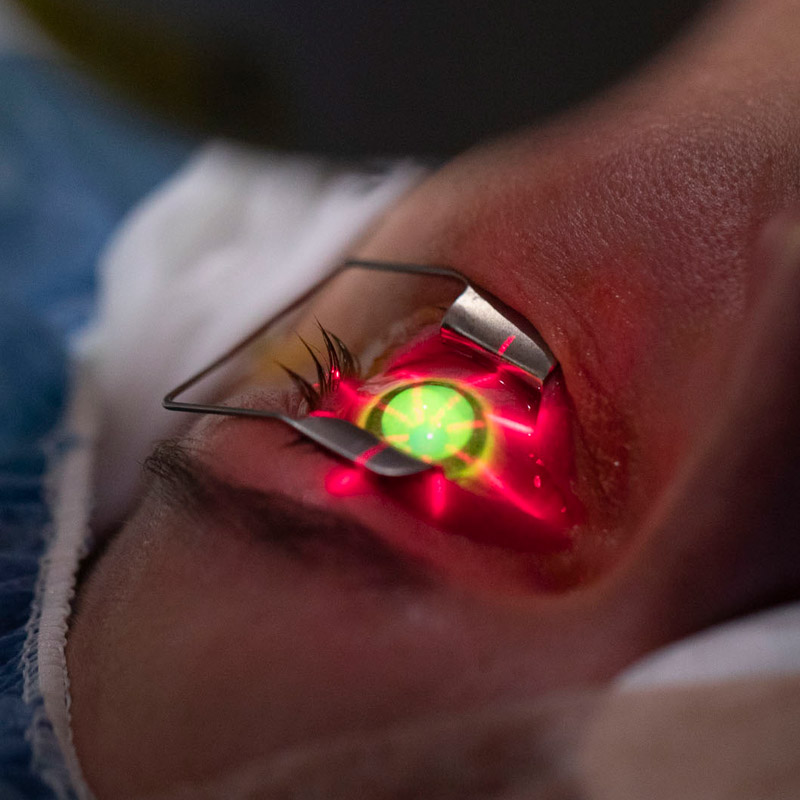
Corneal Cross Linking (CXL) uses a combination of riboflavin (vitamin B2) eye drops and controlled UV-A light to induce photochemical bonds between corneal collagen fibres. This significantly increases the biomechanical stiffness of the cornea, preventing further thinning and bulging associated with keratoconus and other ectatic disorders.
CXL does not reverse existing corneal distortion but reliably halts its progression, often representing the most critical intervention in a patient's keratoconus management plan. Dr. Wessam performs both standard (epithelium-off) and accelerated protocols, tailored to each patient's corneal thickness and disease stage.
Key Benefits
Halts Progression
Proven to stop the progression of keratoconus in over 95% of treated eyes, protecting long-term vision.
Permanent Strengthening
The cross-linked collagen bonds are permanent, providing lasting corneal stability without the need for repeat treatment.
Outpatient Procedure
Performed under topical anaesthesia as a day-case procedure, typically taking 60–90 minutes.
Preserves Corneal Tissue
By halting ectasia early, CXL preserves corneal thickness and may prevent the need for a corneal transplant.
Who Is It Suitable For?
- Progressive keratoconus
- Post-refractive surgery ectasia
- Pellucid marginal degeneration
- Keratoconus in young patients (preventive)
- Patients with documented corneal progression over 12 months
The Procedure
Pre-operative Assessment
Corneal thickness and topography are carefully measured to confirm eligibility and select the optimal CXL protocol.
Riboflavin Loading
After epithelium removal (standard CXL) or via transepithelial drops, riboflavin is applied for 30 minutes to saturate the corneal stroma.
UV-A Irradiation
The cornea is exposed to calibrated UV-A light for 30 minutes (standard) or a shorter accelerated protocol, activating the riboflavin to form collagen cross-links.
Recovery
A bandage contact lens is applied for 3–5 days. Vision may fluctuate for several weeks before stabilising as the cornea heals.
Book a Consultation
Take the first step towards clearer vision. Our team at Dr. Moataz Eye Clinic will get back to you within 24 hours.
Book Now